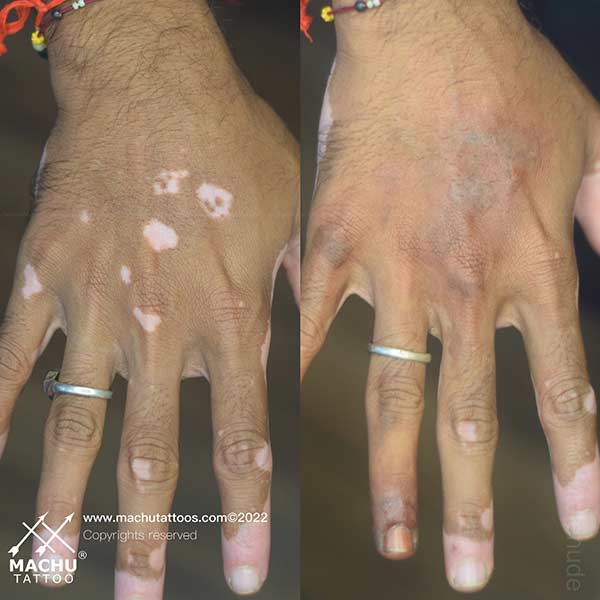
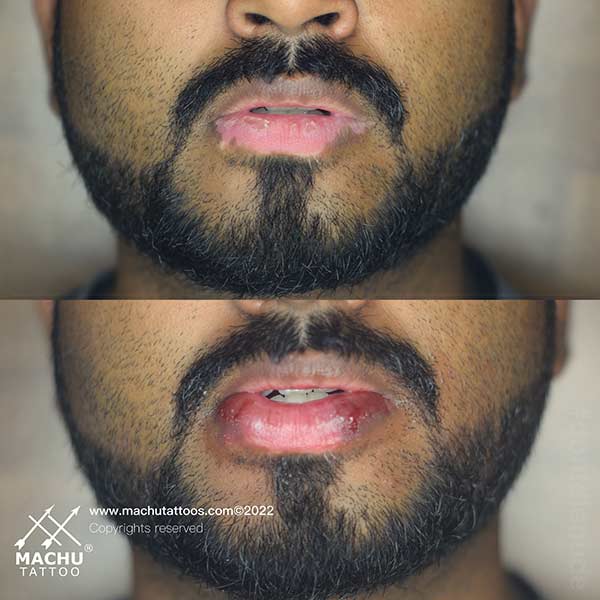
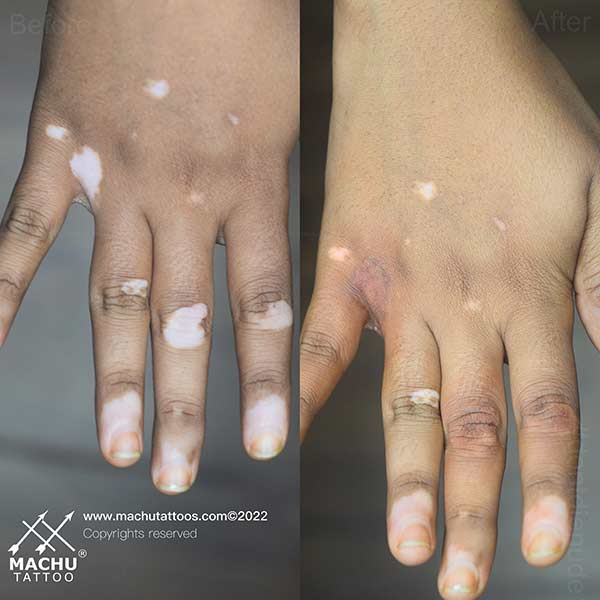
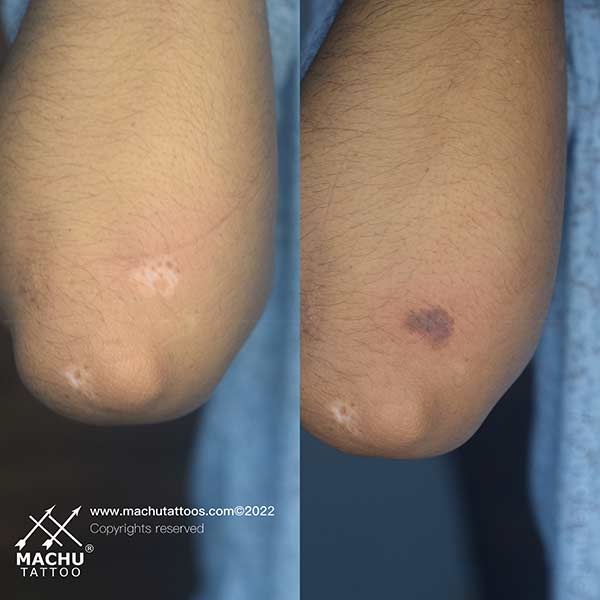
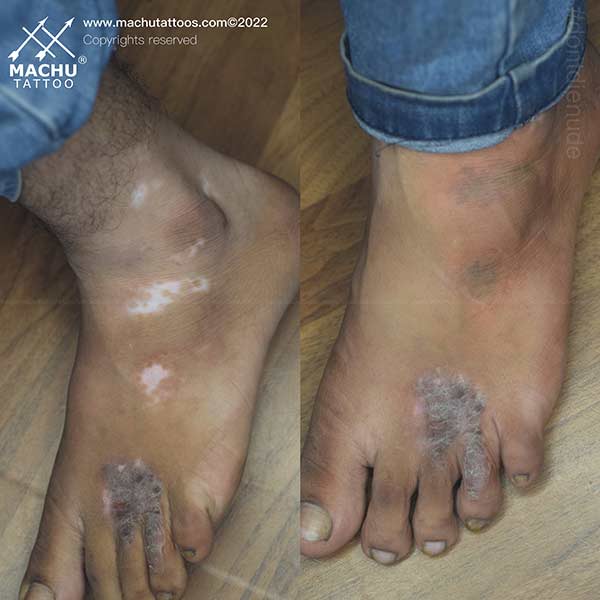
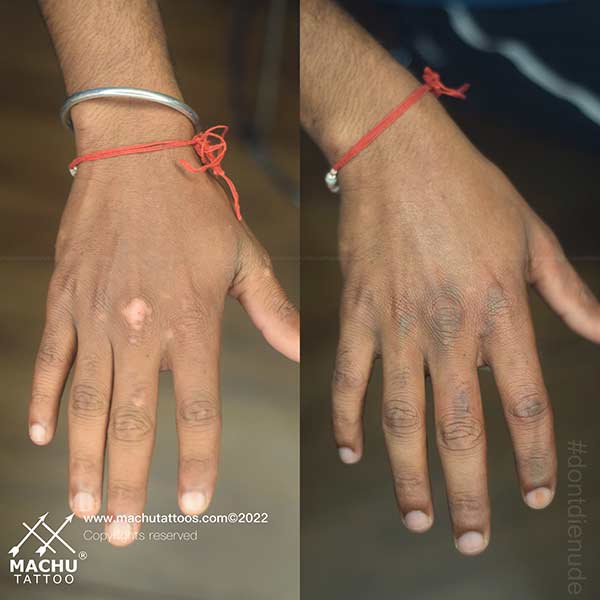
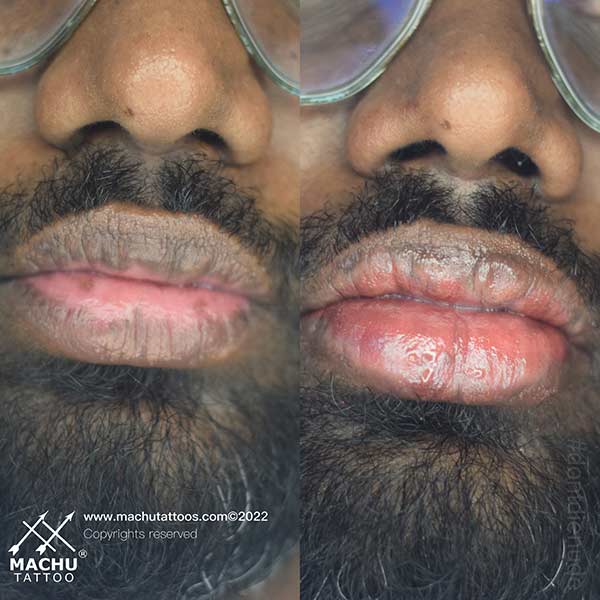
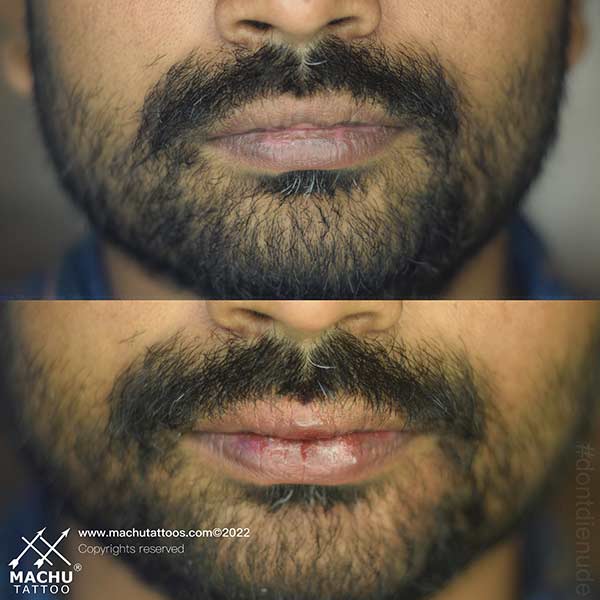
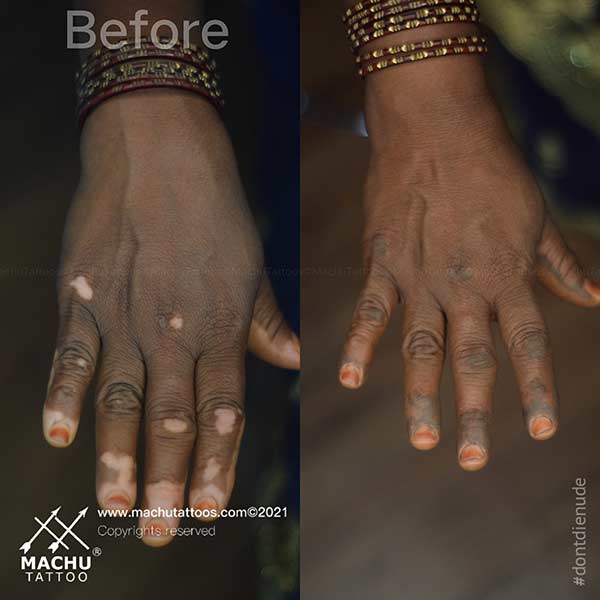
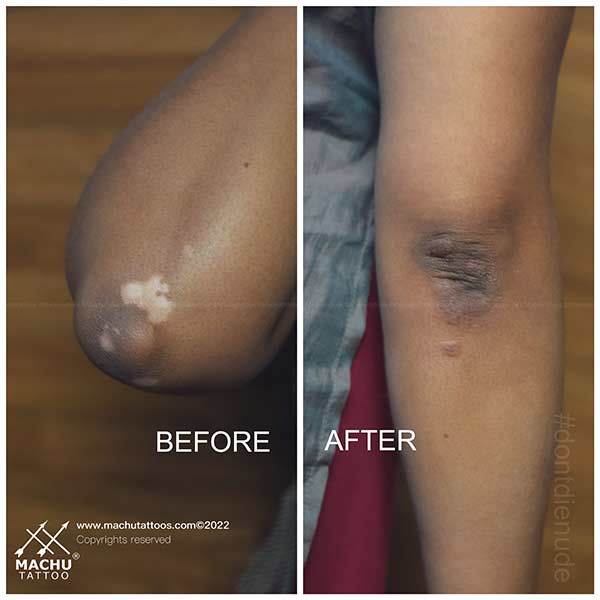
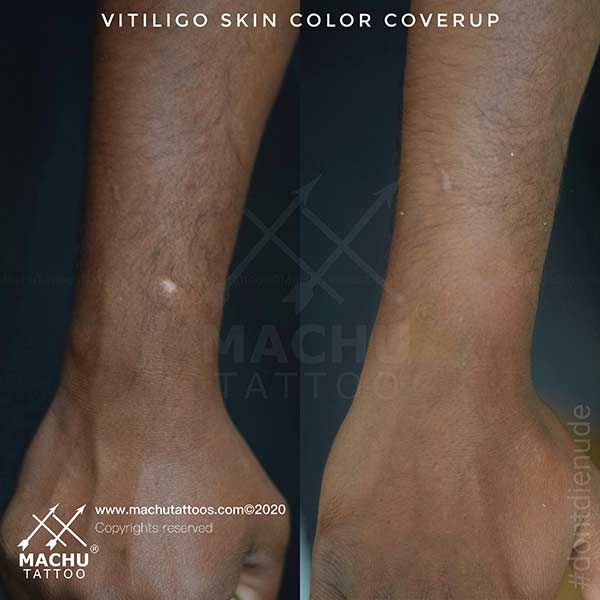
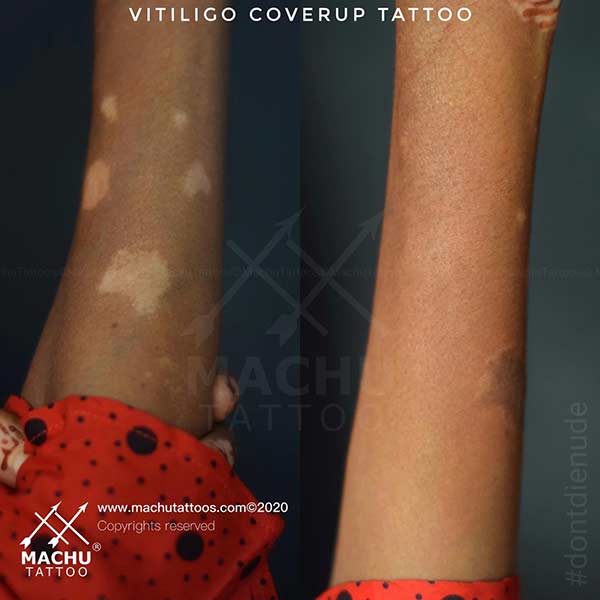
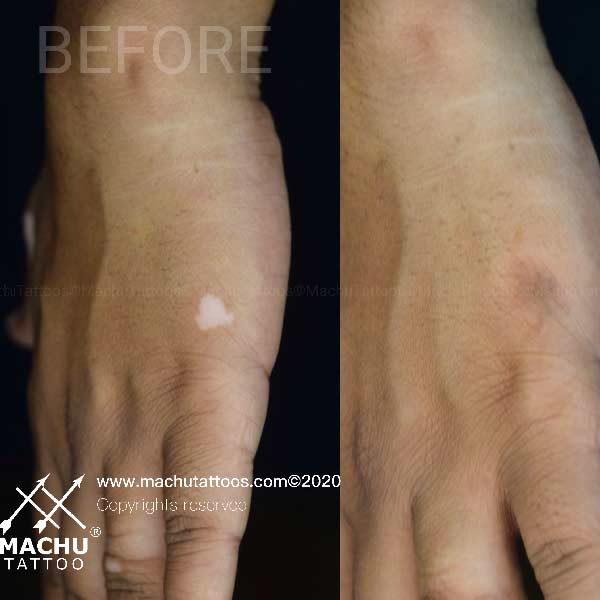
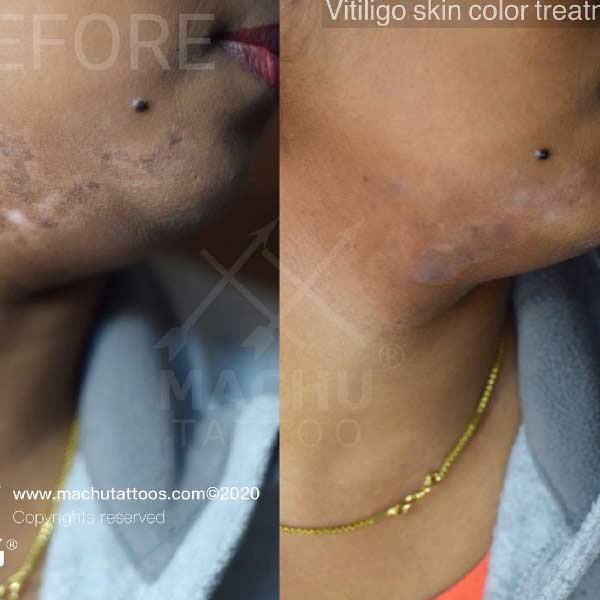
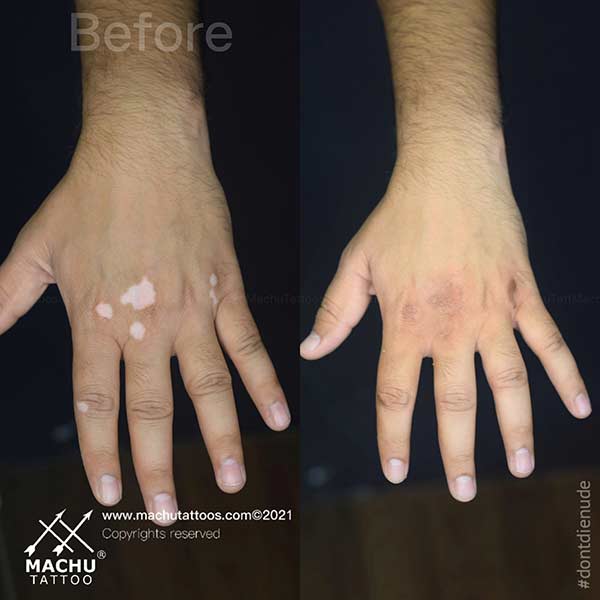
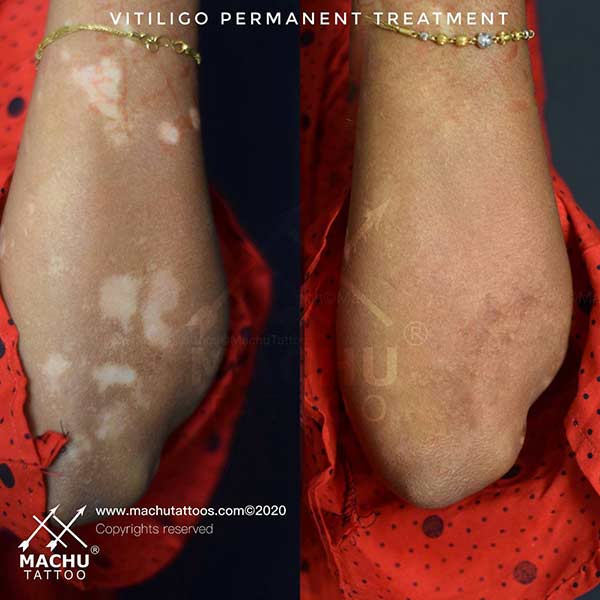
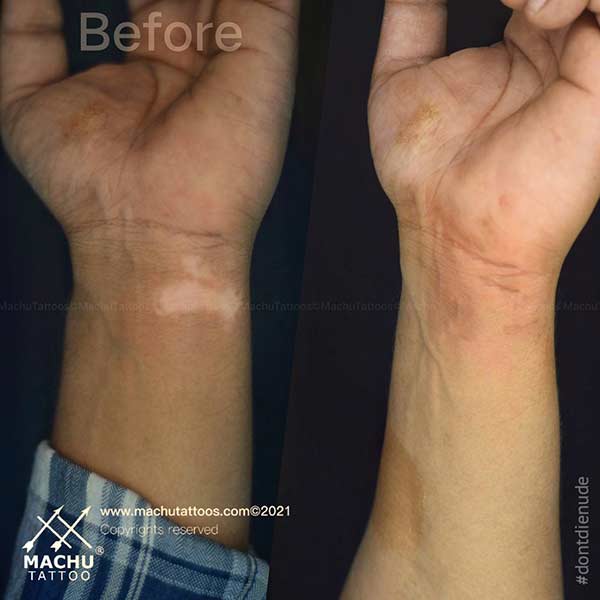
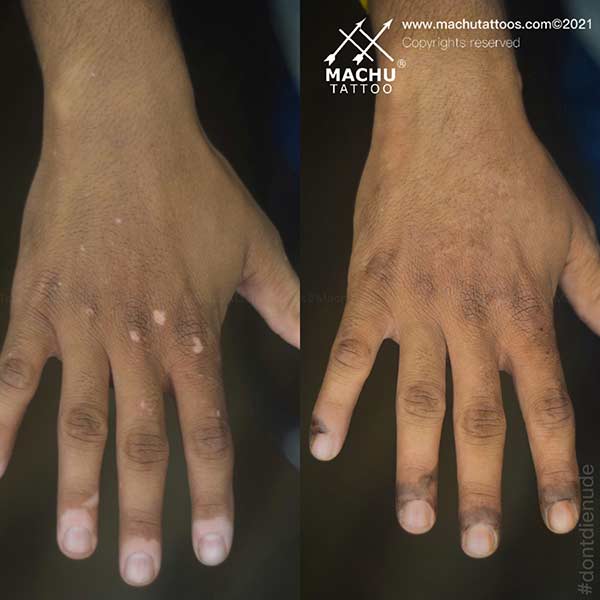
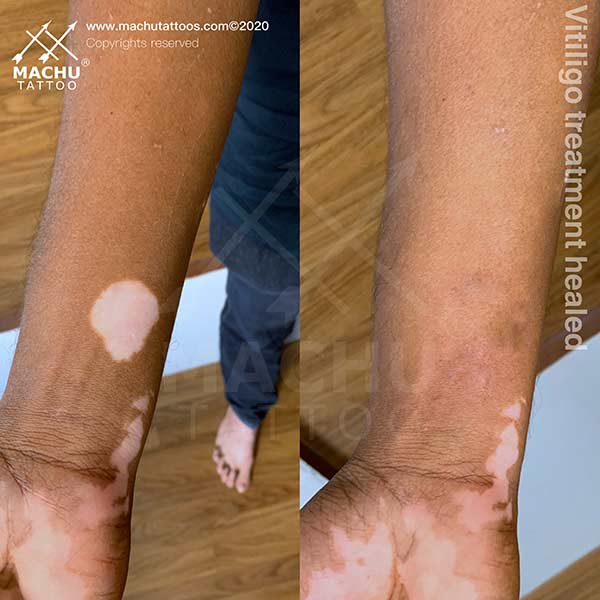
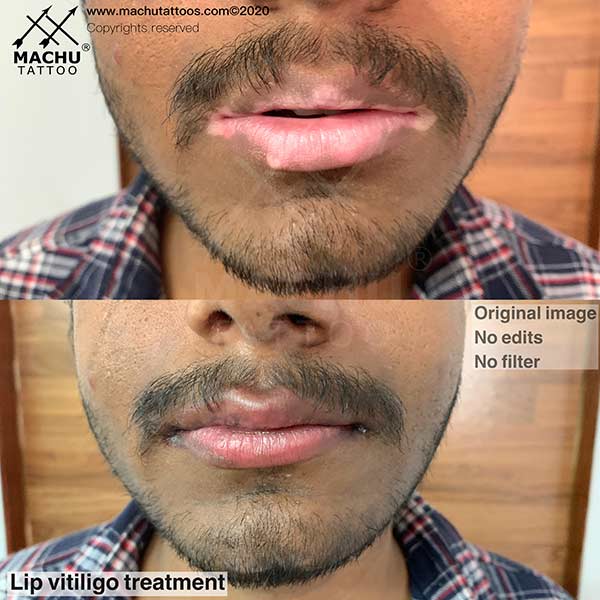
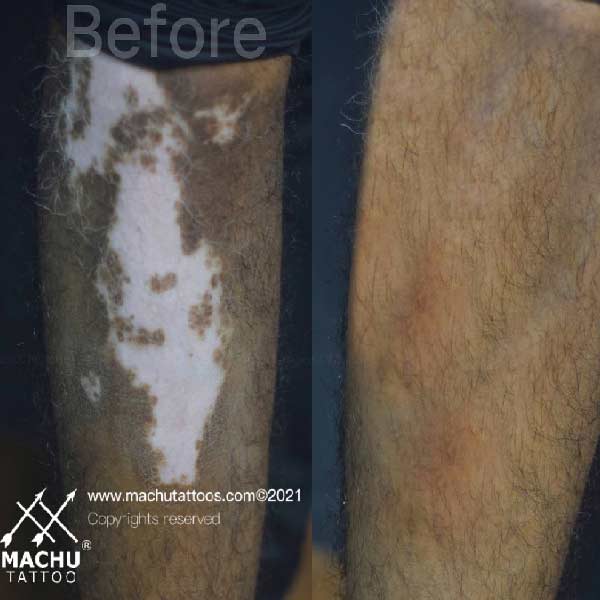
A disorder called vitiligo results in areas of skin losing their pigment. With time, the discoloured spots often enlarge. Any portion of the body’s skin might be impacted by the illness. The tongue and hair can both be impacted by it. Melanin often controls the hue of skin and hair. Melanin-producing cells die or cease working, which causes vitiligo. All skin tones are affected by vitiligo, however those with dark or black skin may notice it more. Neither the ailment is infectious nor life-threatening. It could cause tension or make you feel self-conscious. The afflicted skin’s colour may return with vitiligo treatment. However, it cannot stop a persistent loss of skin colour or a recurrence.
What are Vitiligo Patches?
The typical onset of vitiligo is a few little white patches, which may progressively develop throughout the body over several months. However, vitiligo can appear anywhere on the body, including the mucous membranes (wet lining of the mouth, nose, genital, and rectal regions), the eyes, and the inner ears. It often starts on the hands, forearms, feet, and face.
The bigger patches can occasionally keep growing and spreading, but most of the time they remain in one spot for years. As specific parts of skin lose and acquire pigment, the position of smaller macules varies and changes throughout time. The quantity of skin affected by vitiligo varies, with some people having only a few depigmented spots and others having a significant loss of skin colour.
How common is Vitiligo?
Approximately 1% or slightly more of people worldwide have vitiligo. All ethnicities and genders are equally susceptible to vitiligo, however those with darker skin tend to have more obvious symptoms.
Although vitiligo can arise at any age, it most frequently affects persons between the ages of 10 and 30. Extremely young or very old people seldom ever get vitiligo.
How to differentiate Vitiligo from a White Patch?
Skin affected by vitiligo frequently begins as a pale area that progressively becomes all-white. A patch’s centre might be white, with lighter skin surrounding it. The patch could be somewhat pink rather than white if there are blood vessels under the skin. The patch’s margins might be straight or wavy.
How is Vitiligo treated?
Vitiligo does not have a treatment. Medical therapy aims to achieve a uniform skin tone by either re-pigmenting (restoring colour) or removing the residual colour (depigmentation). In recent years, camouflage therapy, re-pigmentation therapy, light therapy, and cosmetic surgery is what many people are trying to get it to get rid off the vitiligo. But 98% of the times it fails to give a proper cure. Instead, its start giving the poor scars and dark skin patches on the affected area. Sometime people don’t get any result at all even though treating it for so many years.
MPT Treatment by Machu Clinic (Best Vitiligo Treatment with latest approach)
In 2009, Machu Clinic has invented MPT Treatment for Vitiligo patients. It’s the life changing moment for everyone who suffered my vitiligo white patches. It has a highest success rate of 91% Since 2009, our R&D towards MPT treatment Providing higher success rates. At the same time, we are the one and only clinic in India provides this treatment. We are Expert and specialised in it. At Machu clinic, you can now get the best vitiligo coverup service in Bangalore. In addition to that, we also excel at scar coverup and vitiligo treatment for lips. The following procedures are used at Machu’s for MPT on vitiligo patches.
Satisfied with the results
If you are satisfied with the outcome after healing, you can choose to go forward. Unlikely, you are getting a patch test result less than 70%. Even though, you want to continue the MPT treatment in the remaining places of the body. We are happy to proceed but you need to be aware of the consents.
More information on the subject may be found in our YouTube video. You can reach out to us through e-mail (inked@machutattoos.com) or give us a call at +91 9659959593 to schedule an appointment. In addition, we provide a free consultation. So, what exactly are you waiting for? Give us a call right now!