Top 10 Best Tattoo Artist in Pune: The 10 Styles and How to Pick the Right Artist for Each
Short answer
If you want one name to start with, it is Machu Tattoos on Baner Road, founded by Suresh Machu. Beyond that, there is no single top 10 best tattoo artist in Pune, because no artist is the best at every style. Pune’s artists specialise — fine line, realism, portraits, deity work, mandala, dotwork, script, cover-ups and colour. Pick your style first, then find the artist who has done that style many times and can show healed photos of it.
The short version
- Style first, artist second. A realism specialist is the wrong choice for fine line, and the other way round.
- Healed photos beat portfolios. Ask for work six months old or more in your exact style.
- Size is not negotiable. Detail needs space. An artist who agrees to shrink a detailed design is telling you something.
- Confirm who holds the machine. At larger studios the artist you spoke to is not always the artist who tattoos you.
- Hygiene is visible. Needle opened in front of you, fresh ink caps, wrapped machine and lamp, sharps bin in the room.
What this guide covers
- Top tattoo artists in Pune: where to start
- Why most “top 10” lists will not help you
- The 10 tattoo styles in Pune — and the artist each one needs
- Style comparison: size, sittings and how each one ages
- How to check a tattoo artist in Pune before you book
- Eight red flags worth walking away from
- Where Machu Tattoos fits
- What actually changes the price
- Frequently asked questions
Top tattoo artists in Pune: where to start
Ten studios, starting with ours — this is our studio’s guide and we are not going to pretend otherwise. The other nine are established Pune studios listed with the area they are in and the style each one is known for, so you can match them against your own design. What follows is not a quality ranking of studios 2 to 10; the note at the end of this section explains why.
1. Machu Tattoos — Suresh Machu, Baner Road, Pune
Machu Tattoos is a tattoo and piercing studio on Baner Road in Baner, Pune, founded by Suresh Machu, who is widely regarded as one of the best known tattoo artists in India. He trained with an advanced certification from the Miami Ink team and built the studio from scratch after leaving a corporate career.
- Styles we do consistently: fine line and minimal, black and grey realism, deity and spiritual work, mandala and geometric, dotwork, script and lettering, cover-ups and rework.
- Also offered: ear, nose, navel and body piercing.
- Where: Shop No. 110/11, 6th Floor, Ellora Pride, Baner Road, Baner, Pune 411045. Monday to Thursday 10:00–22:00, Friday to Sunday 08:00–23:30.
- How we work: free consultation first, design conversation before any needle, single-use needles opened in front of you, aftercare support after you leave.
- Closest for: Baner, Balewadi, Wakad, Hinjewadi, Aundh, Pashan and Bavdhan.
Message us on WhatsApp with your reference images and we will tell you honestly whether your style is one of ours — and if it is not, we will say so.
2. Aliens Tattoo — Viman Nagar
A large studio in Viman Nagar, part of a chain with branches in several Indian cities. Its own site lists realism and photorealistic work, religious and mythology pieces, portraits, watercolour, geometric, 3D and cover-ups. Worth asking which of their artists will actually do your piece, since a studio that size runs several artists at once.
3. Sabby’s Tattoo & Piercing Studio — Koregaon Park
In the Koregaon Park cluster, and known for dramatic, highly detailed work. A reasonable first stop if your idea is large and detail-heavy rather than small and simple.
4. Tattoos 1960 — Koregaon Park
Also in Koregaon Park, known for minimalist and abstract designs. Closer to the fine line and micro end of this guide than the realism end.
5. Kit’s Tattoo Studio — Aundh
In Aundh, on the western side of the city, known for black and grey work, portraits and corrections. If you are in the Baner–Aundh corridor and want black and grey, it is the other nearby option to look at.
6. Guns Artwork — Koregaon Park
Known for intricate religious designs, mandalas and calligraphy — which maps onto styles 5, 6 and 8 in this guide. Useful if your idea is deity work framed in a mandala.
7. Bull’s Tattoo Studio — Camp, MG Road
In Camp, known for 3D work, black and grey and dotwork. Dotwork specialists are genuinely rare in any city, so this is one to look at if that is your style.
8. Kraayonz Tattoo Studios — Koregaon Park
Part of a multi-city chain with a Koregaon Park branch, known for small placements including wrist and face work. As with any chain studio, confirm the individual artist.
9. Inkalab Tattoo Studio — Koregaon Park
Known for personalised designs, cover-ups and touch-ups. Cover-up and rework is its own specialism, so it belongs on a shortlist if you are fixing something rather than starting fresh.
10. Deekay’s Tattoo & Piercing Studio — Pimpri Chinchwad
The entry for the Pimpri Chinchwad side of the city, known for tribal, traditional and modern designs. Relevant mainly because distance matters once a piece runs to several sittings.
How this list was put together, and what it is not. Entries 2 to 10 are drawn from each studio’s own website and from the independent Pune city guide LBB, and the specialisms are what those sources state rather than our verdict on anyone’s work. We have deliberately not printed ratings, review counts or any ranking of quality between studios 2 and 10 — we are a studio ourselves, so our opinion of our competitors would not be worth much to you. Artist rosters and addresses also change often, so check before you travel.
Why most “top 10” lists will not help you
Almost every “top 10 best tattoo artist in Pune” list you will find online is either a studio ranking itself, or a directory that ranks by whoever paid or whoever has the most reviews. Neither tells you the one thing that decides whether you walk out happy: does this artist do your style, repeatedly, and can they prove it healed?
A ranked list also hides the real problem. Tattooing is not one skill. The steady hand that pulls a clean three-inch fine line in one pass is not the same skill as packing smooth black and grey across a shoulder, and neither is the same as reading a photograph well enough to make a portrait look like the person. Artists get genuinely good at two or three styles, not ten.
So this guide flips the question. Below are the ten styles people actually ask for in Pune. For each one you get what it is suited to, the minimum size it needs to survive, roughly how many sittings to expect, how it ages, and the one question that separates a specialist from someone who will try. Work out which style is yours, and the shortlist of artists writes itself.
The 10 tattoo styles in Pune — and the artist each one needs
These are ordered by how often people walk in asking for them, not by difficulty. Read the one that sounds like your idea, then read the question at the end of it — that question is the whole test.
1. Fine line and single needle
Thin, light, continuous linework done with very few needles, often one. It is the style behind most botanical, script-and-stem and delicate ornamental work. It looks effortless, which is exactly why it is hard: there is no shading to hide a wobble, and a line that is pulled too deep will blur as it heals. The artist’s hand speed and needle depth have to be consistent for the whole pull.
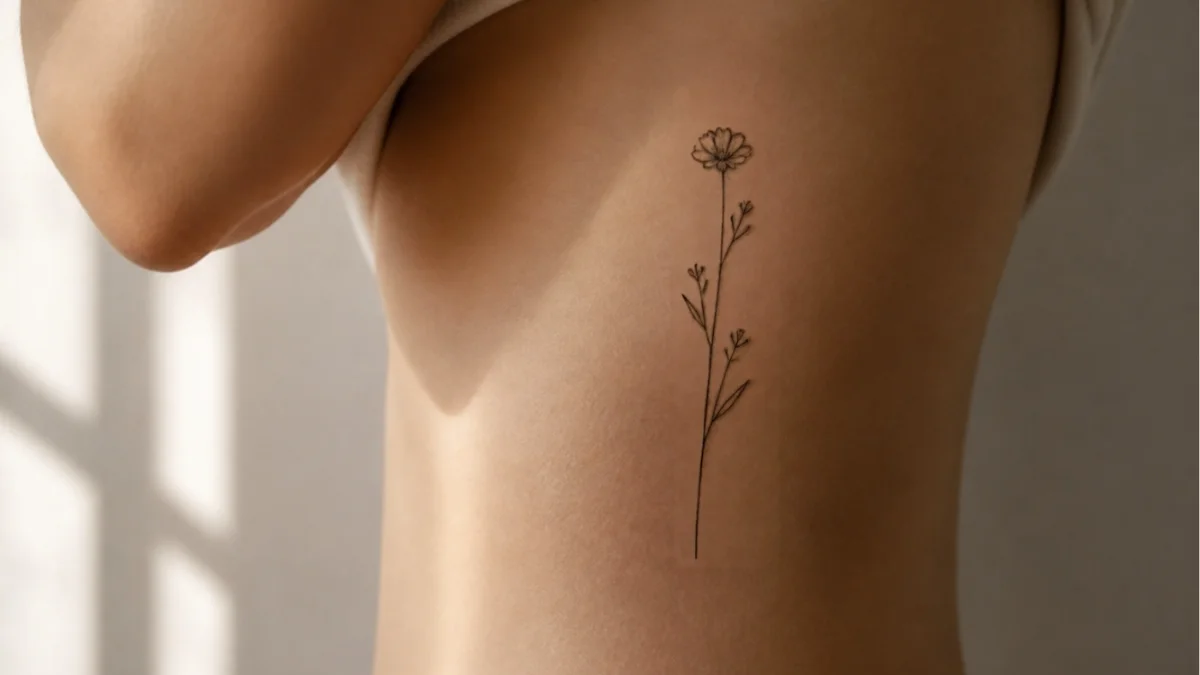
- Best for: Botanicals, small ornamental pieces, delicate symbols, first tattoos.
- Give it at least: Around three inches for anything with internal detail. Below that, lines sitting close together will merge over the years.
- Usually takes: One sitting for most pieces.
- Ask the artist: “Can I see a fine line piece of yours that healed at least a year ago?” Fresh fine line always looks crisp. The healed photo is the only honest one.
2. Minimal and micro tattoos
The smallest end of fine line: a symbol, a word, a tiny outline, usually under two inches. Hugely popular as a first tattoo because it feels low commitment. The honest trade-off is that small does not mean safe — a micro tattoo has the least room of any style, so an artist who crams detail into it is setting up a smudge for later. A good artist will simplify your design before they shrink it.
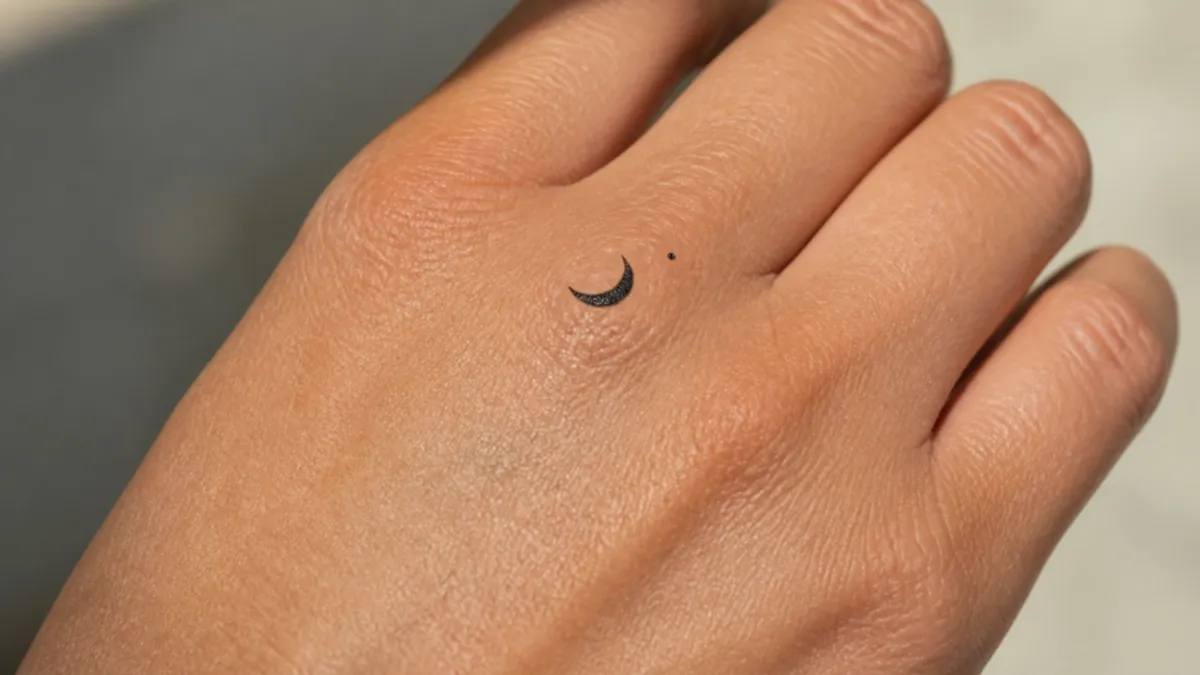
- Best for: A first tattoo, a discreet placement, a meaningful symbol or date.
- Give it at least: Simplicity rather than size. If the design needs detail, it needs inches.
- Usually takes: One short sitting.
- Ask the artist: “Will this design still read at this size in ten years, or should we simplify it?” The artist who happily tattoos it exactly as you drew it is the one to be careful of.
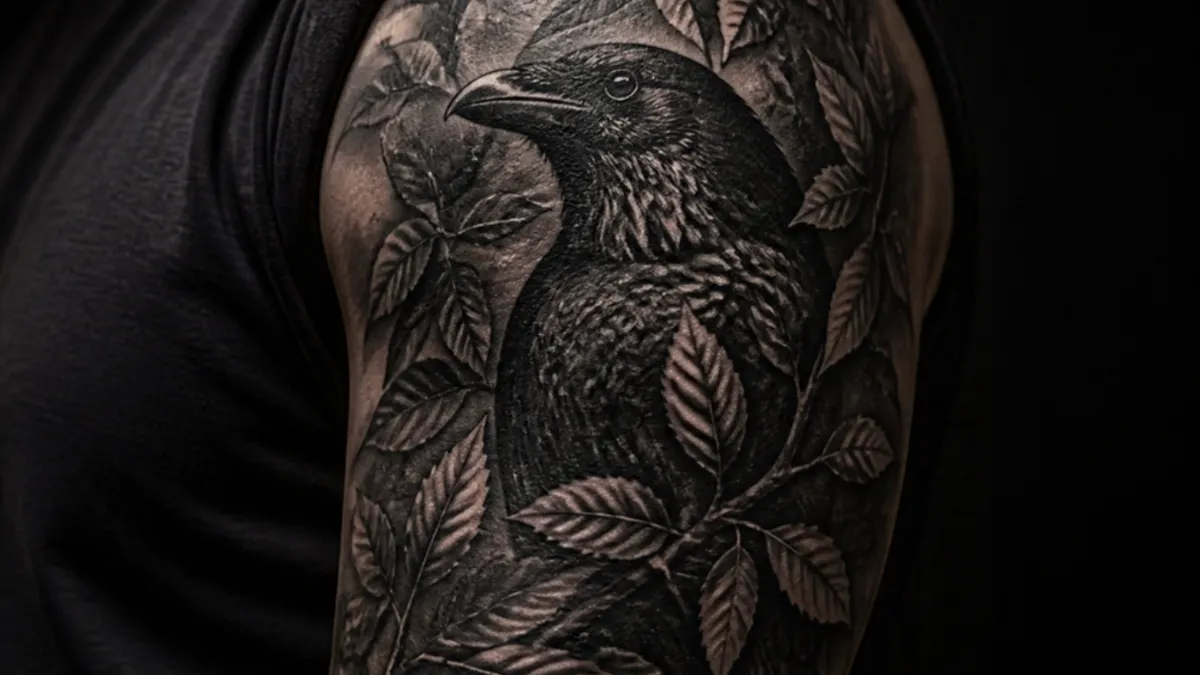
3. Black and grey realism
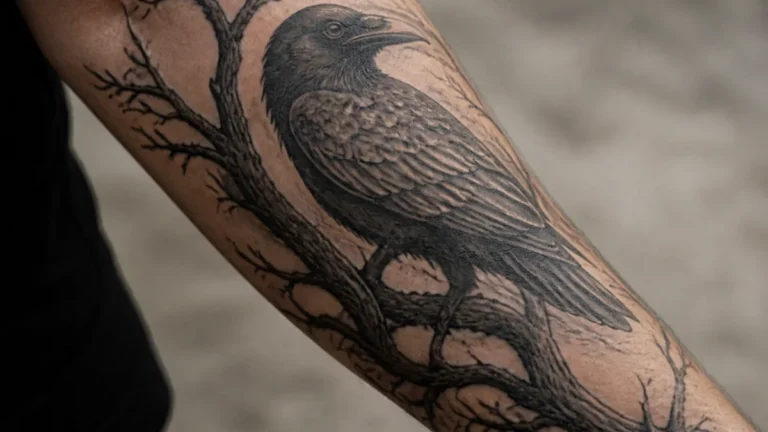
Smooth shading built in layers of diluted black to create depth, shadow and texture — animals, deities, statues, architecture, fabric. It is the most technically unforgiving style in terms of healing, because shading that is packed unevenly shows up as patchiness only weeks later. A realism artist is judged on their gradients, not on their outlines.
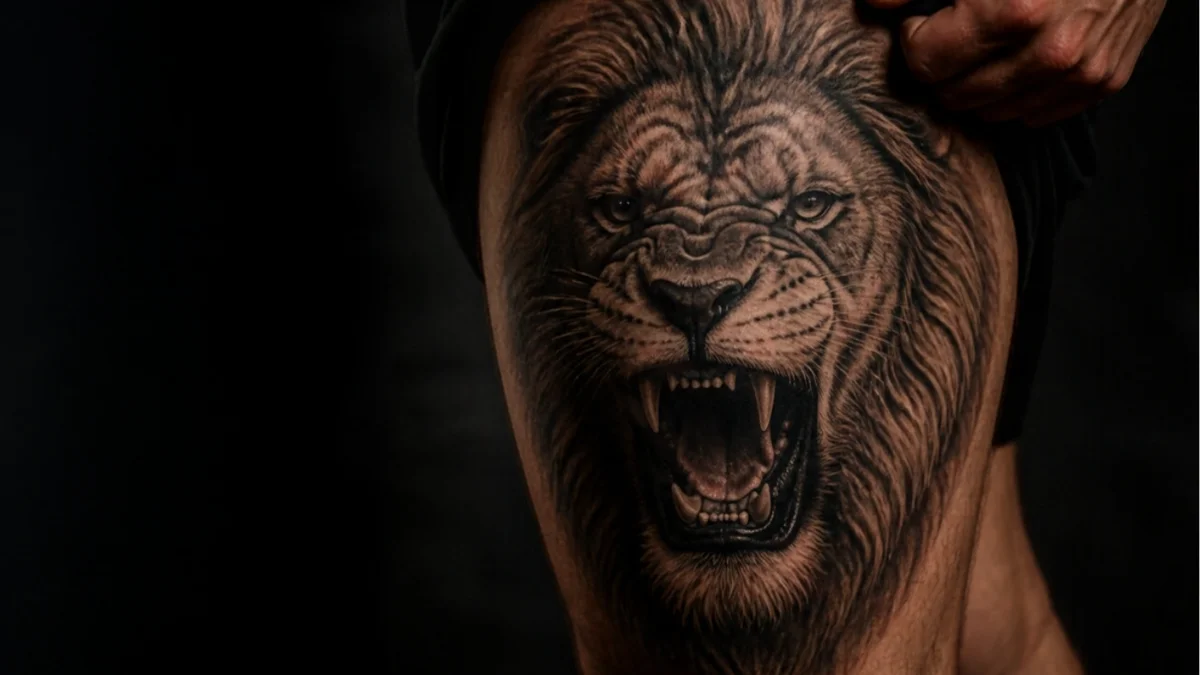
- Best for: Animals, deity portraits, statues, anything that needs depth and shadow.
- Give it at least: Six inches and up. Realism needs room for the gradient to breathe; shrink it and the shadows turn into grey mush.
- Usually takes: Two to four sittings for most mid-size pieces, with healing time between them.
- Ask the artist: “How many sittings, and what does the piece look like after the first one?” An artist who promises a large realism piece in a single sitting is planning to rush the shading.
4. Portrait tattoos
Realism’s hardest subject, and its own specialism. A tiger that is five percent off still looks like a tiger. A face that is five percent off looks like a stranger — which is devastating when the face is a parent or a child. Likeness lives in tiny relationships between the eyes, nose and mouth, so portraits demand an artist who does portraits regularly and works from a high-quality reference photograph.
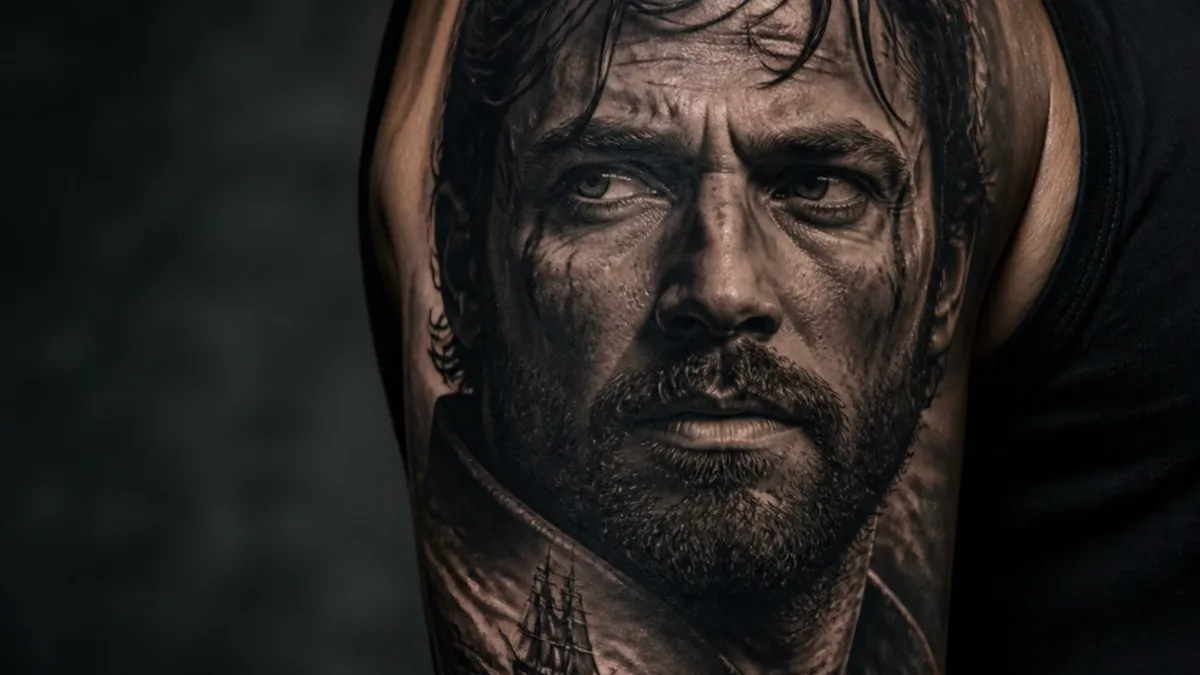
- Best for: Memorial pieces, family portraits, faces that have to be recognisable.
- Give it at least: Six to eight inches for a single face. Smaller than that and the features stop resolving.
- Usually takes: Two to three sittings, plus the reference and drawing stage before any needle.
- Ask the artist: “Can I see three healed portraits you have done?” Three, not one. One good portrait can be luck; three is a specialism.
5. Deity and spiritual work
Ganesha, Shiva, Om, trishul, Hanuman, mandala-framed deities — among the most requested work in India, and the most personal. Beyond technique, it asks for an artist who understands the iconography: which hand holds what, how the proportions are traditionally read, which elements can be stylised and which should not be. The same design can be done as linework, as realism, or framed in a mandala, and that choice changes the artist you need.
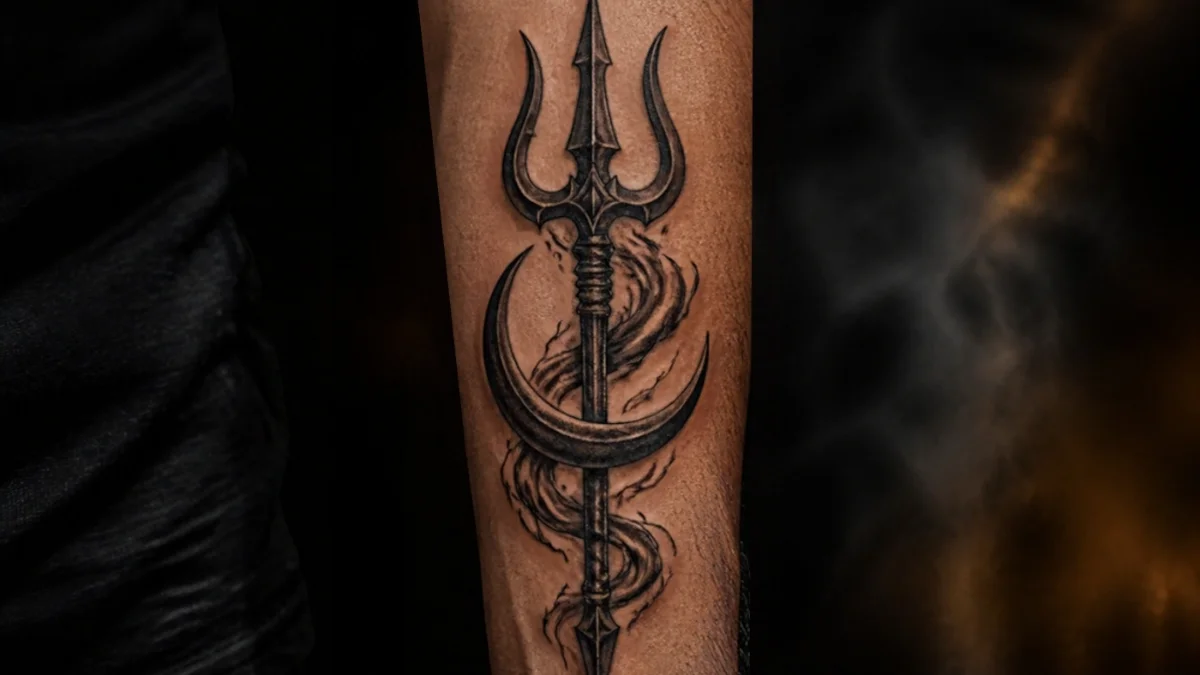
- Best for: Ganesha, Shiva, Om, Hanuman, trishul, and deity-and-mandala combinations.
- Give it at least: Four inches for stylised linework; six inches and up if you want realism or facial detail.
- Usually takes: One sitting for linework, two to four for realism or large framed pieces.
- Ask the artist: “Have you done this deity before, and can you show me?” Iconography errors are permanent and very visible to anyone who knows the imagery.
6. Mandala and geometric
Repeating patterns built on perfect symmetry — mandalas, sacred geometry, ornamental sleeves and chest pieces. The difficulty here is not shading, it is geometry on a curved, moving surface. A mandala that is drawn flat on paper will look lopsided on a shoulder unless the artist maps it onto the body first. Most specialists stencil and re-stencil, checking symmetry from several angles before they start.
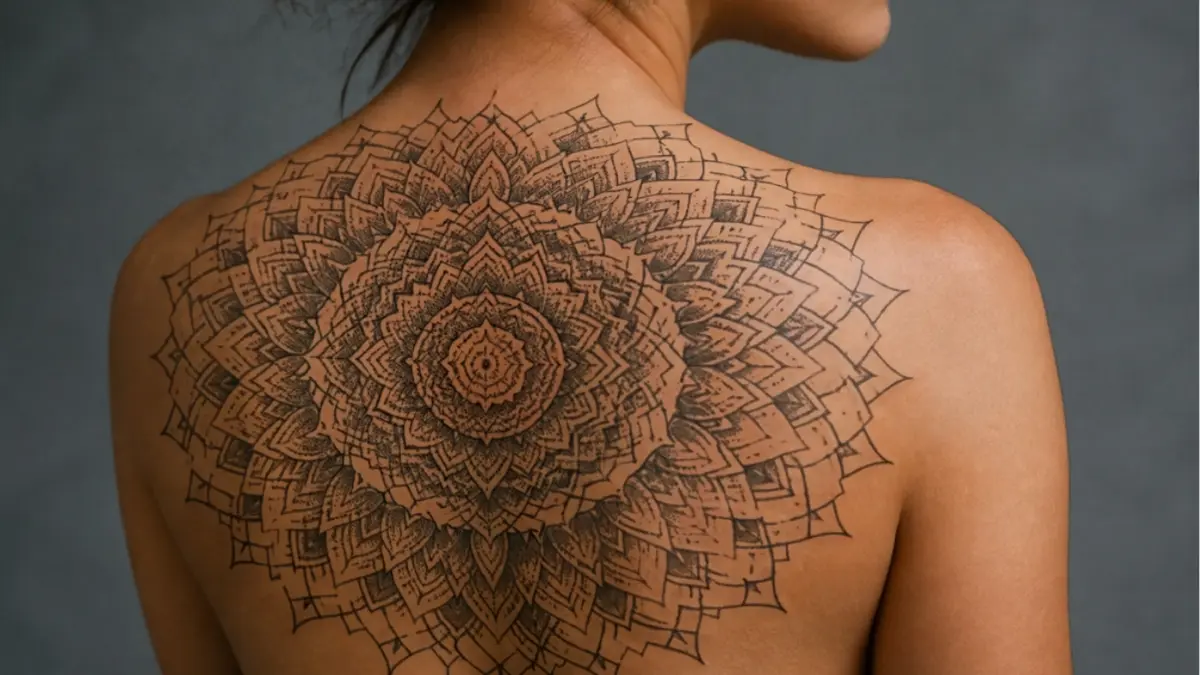
- Best for: Shoulders, forearms, spines, chest pieces, ornamental sleeve fillers.
- Give it at least: Five to six inches. Symmetry errors become obvious as the pattern repeats, so the pattern needs room to repeat properly.
- Usually takes: One to three sittings depending on size and density.
- Ask the artist: “How do you map the symmetry onto a curved area before you start?” The answer tells you immediately whether they are a geometric specialist or a generalist.
7. Dotwork and stippling
Shading built entirely from thousands of individual dots instead of smooth gradients. It gives a soft, textured, almost engraved look, and it pairs naturally with mandala and geometric work. It is slow, physically demanding for the artist, and completely dependent on consistent dot density — uneven spacing reads as blotching once healed. Very few artists do it well because very few are willing to spend the hours.
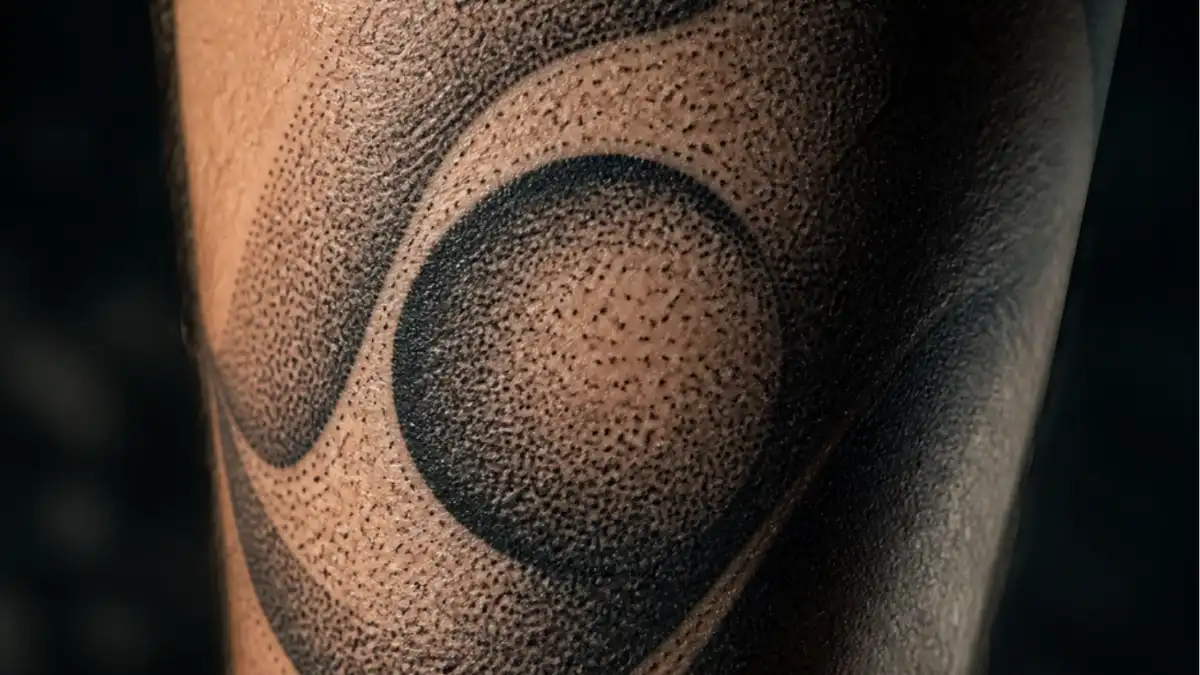
- Best for: Mandalas, sacred geometry, soft textured shading, ornamental fillers.
- Give it at least: Four inches and up. Dotwork needs space between dots, so a tight design fills in and goes solid.
- Usually takes: Often longer than it looks — two or more sittings for mid-size pieces.
- Ask the artist: “Is this dotwork or is it shading that looks like dotwork?” Some artists fake the texture with a shader. Healed photos show the difference.
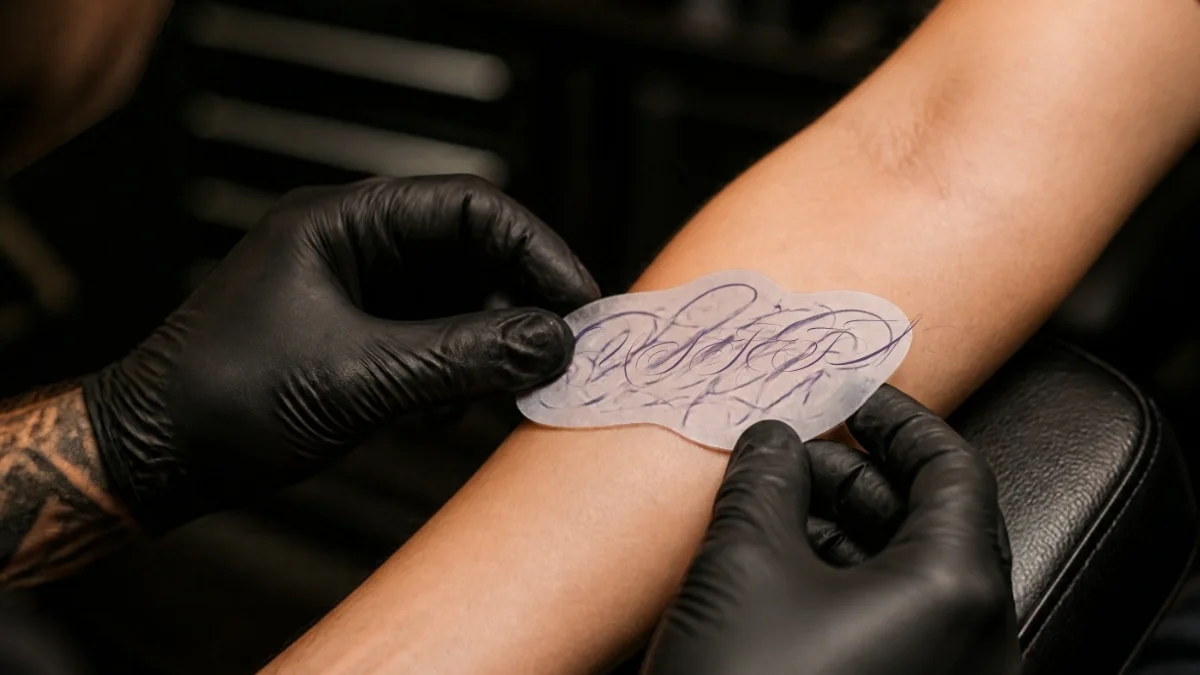
8. Script and calligraphy
Names, dates, mantras, quotes, signatures, lettering in Devanagari, Tamil, Arabic or English. It looks like the simplest style on this list and it generates the most regret, for two reasons. Spelling and script accuracy are permanent, and thin lettering placed on a high-movement area like the inner wrist or finger will soften and bleed faster than anywhere else on the body. A good artist will also push back on placement.
- Best for: Names, dates, mantras, quotes, signatures, single meaningful words.
- Give it at least: Enough height per letter that the strokes do not touch. Long quotes need a larger area than most people expect.
- Usually takes: One sitting.
- Ask the artist: “Will you send me the stencil to check the spelling before you start?” Then check it yourself, twice, in the script’s own language.
9. Cover-up and rework
Covering or reworking an existing tattoo — usually old, faded, blown-out or simply regretted. This is a genuine specialism and the one place where the artist’s honesty matters more than their drawing. Not everything can be covered: dark solid black, heavy outlines and large areas of saturated ink limit what is possible, and sometimes the honest answer is a few laser sessions first, then cover. An artist who says yes to every cover-up has not looked properly.
- Best for: Old, faded, blown-out or unwanted tattoos.
- Give it at least: Usually noticeably larger and darker than the original piece — that is the physics of it.
- Usually takes: Two or more sittings, sometimes with laser lightening before the first one.
- Ask the artist: “What can you not cover here, and would laser first give a better result?” A specialist will happily tell you what will not work.
10. Colour and watercolour
Full colour work and the soft, bleeding, paint-like watercolour look. Colour is a different skill from black and grey: it needs an understanding of how each pigment heals and how it will shift against your skin tone, and some colours settle far less reliably than others. Watercolour specifically trades longevity for softness — the loose edges that make it beautiful are also the first thing to blur, so most artists will anchor it with some linework or black shading underneath.
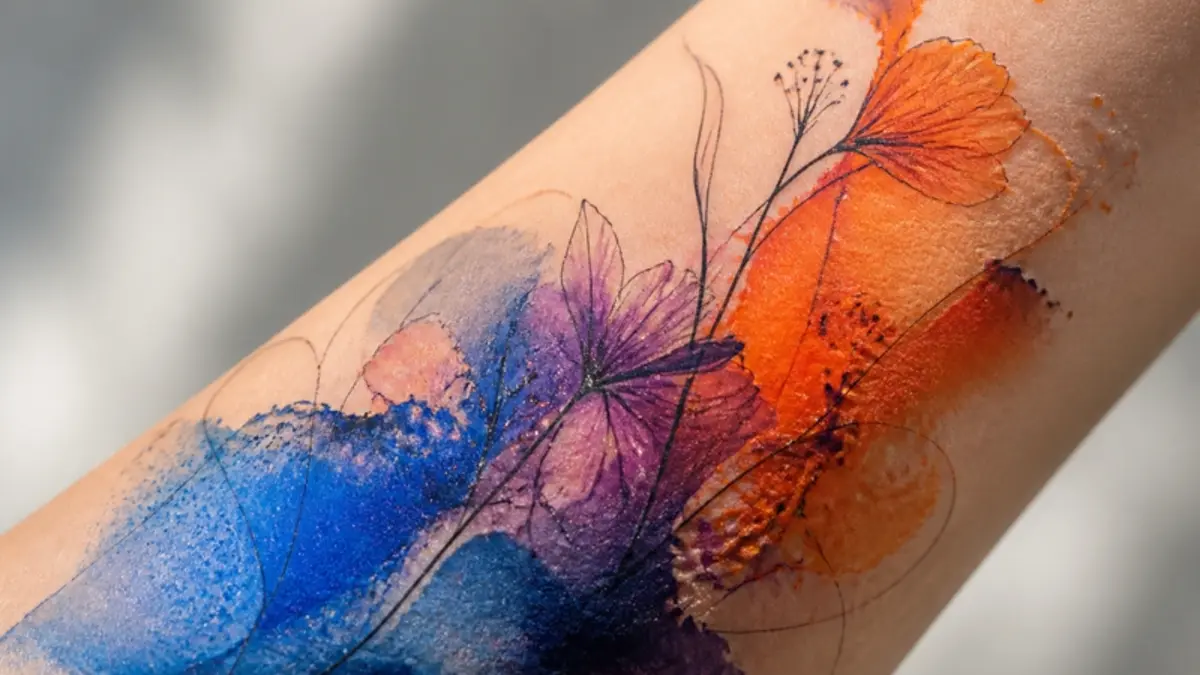
- Best for: Florals, abstract pieces, splash and paint-like designs, bright statement work.
- Give it at least: Five inches and up. Colour transitions need room, and small colour pieces muddy fastest.
- Usually takes: Two or more sittings for mid-size work.
- Ask the artist: “How will these colours look on my skin tone after two years, and what will you anchor it with?” The honest answer involves trade-offs, not reassurance.
Style comparison: size, sittings and how each one ages
| Style | Minimum size | Sittings | How it ages | Hardest part |
|---|---|---|---|---|
| Fine line | ~3 in | 1 | Lines soften slightly; close lines can merge | Consistent needle depth |
| Minimal / micro | Simplify, don’t shrink | 1 short | Detail blurs first; simple shapes last | Knowing what to leave out |
| Black & grey realism | ~6 in | 2–4 | Ages well if shading is even | Smooth gradients |
| Portrait | 6–8 in | 2–3 | Ages well; likeness is fixed on day one | Likeness |
| Deity / spiritual | 4 in linework, 6 in realism | 1–4 | Depends on which treatment you choose | Correct iconography |
| Mandala / geometric | 5–6 in | 1–3 | Holds up well; symmetry errors stay visible | Symmetry on a curve |
| Dotwork | 4 in | 2+ | Can go solid if dots were too tight | Even dot density |
| Script / calligraphy | Height per letter | 1 | Thin strokes soften on high-movement areas | Spelling and placement |
| Cover-up / rework | Larger than the original | 2+ | Depends entirely on the old ink underneath | Honest assessment |
| Colour / watercolour | 5 in | 2+ | Softest of all; needs anchoring | Pigment behaviour on skin |
If you are still unsure which row you are in, send the reference images you have saved. Working out the style from a reference is a five-minute conversation, and it changes which artist you should be talking to.
How to check a tattoo artist in Pune before you book
Once you know your style, these six checks do more than any ranked list. They take about fifteen minutes and they are the difference between a tattoo you show people and one you cover up.
- Ask for healed photos in your style, six months old or older. Every portfolio is full of fresh work photographed under studio lights. Healed work is the only evidence that the lines held and the shading settled evenly.
- Confirm which artist will actually tattoo you. At larger studios the person you message and the person holding the machine are often different people. Get the name, then look at that person’s work specifically.
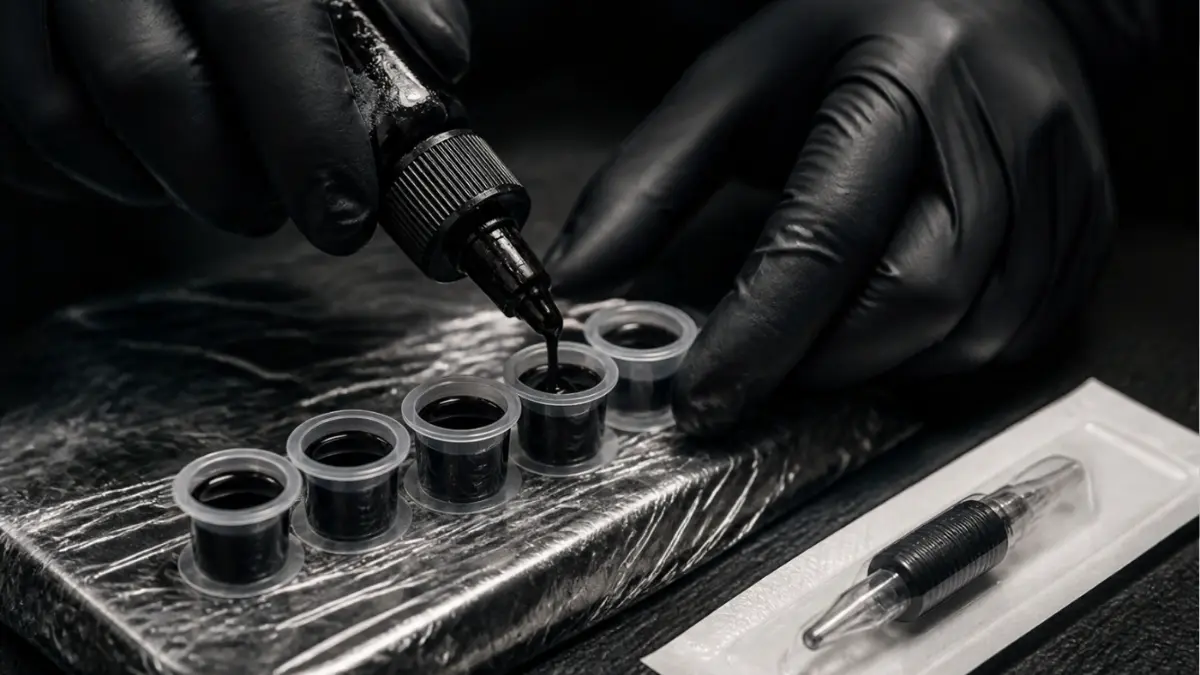
- Watch the hygiene setup. Needle opened in front of you, fresh ink poured into new caps, machine and lamp barrier-wrapped, a sharps bin in the room, and a consent form that asks about allergies and medication. Any of these missing is a reason to leave, politely and immediately.
- Ask how many sittings and what happens between them. A specialist knows the number before you ask. Vagueness here usually means they have not planned the piece.
- Ask what they would change about your design. A good artist always has an answer — size, placement, line weight, how much detail will survive. An artist who says your design is perfect as drawn has not engaged with it.
- Check the aftercare support, not just the aftercare sheet. Healing is where tattoos are won and lost. Ask who you message on day four if something looks wrong, and how quickly they reply.
Eight red flags worth walking away from
- No healed photos available in your style, only fresh ones.
- Pressure to book or pay today, or a discount that expires this evening.
- They will not name the artist who is doing your tattoo.
- They agree to shrink a detailed design without raising a single concern.
- Needles, tubes or ink caps already laid out before you arrive.
- No consent form, or no questions about allergies, medication or skin conditions.
- A cover-up promised with no mention of size, darkness or laser as an option.
- A quote given before anyone has seen your design, placement and size.
Where Machu Tattoos fits
We are a tattoo and piercing studio on Baner Road in Pune, and we will be straight about this: we are not the right studio for every one of the ten styles above. What we do consistently is fine line and minimal work, black and grey realism, deity and spiritual pieces, mandala and geometric, dotwork, script, and cover-ups. For anything outside that, we would rather tell you so than learn on your skin.
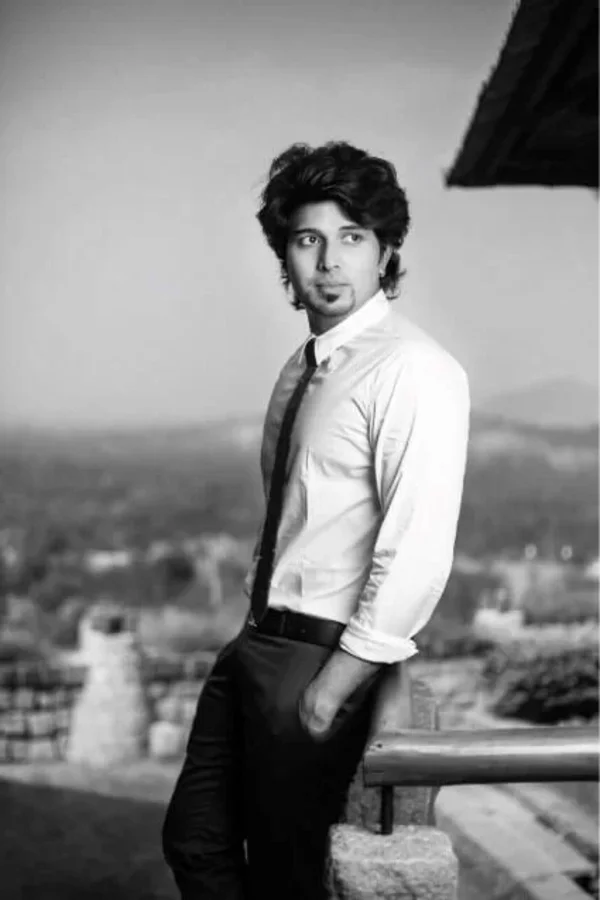
Suresh Machu, founder
Machu Tattoos was started by Suresh Machu, who is widely regarded as one of the best known tattoo artists in India. He did not arrive here the usual way. He finished an engineering degree at Anna University, then an MBA, and spent a few months as a business analyst at Microsoft before deciding that was not the work he wanted to spend his life on.
He put his savings into an advanced certification with the Miami Ink team, then moved to Bangalore with barely anything left and began by tattooing clients at their homes, free of charge, to build a portfolio from nothing. That studio grew into Machu Tattoos, and the Pune studio in Baner followed. The approach has not changed much since the home-visit days: the design conversation comes first, and the needle only after the design is right.
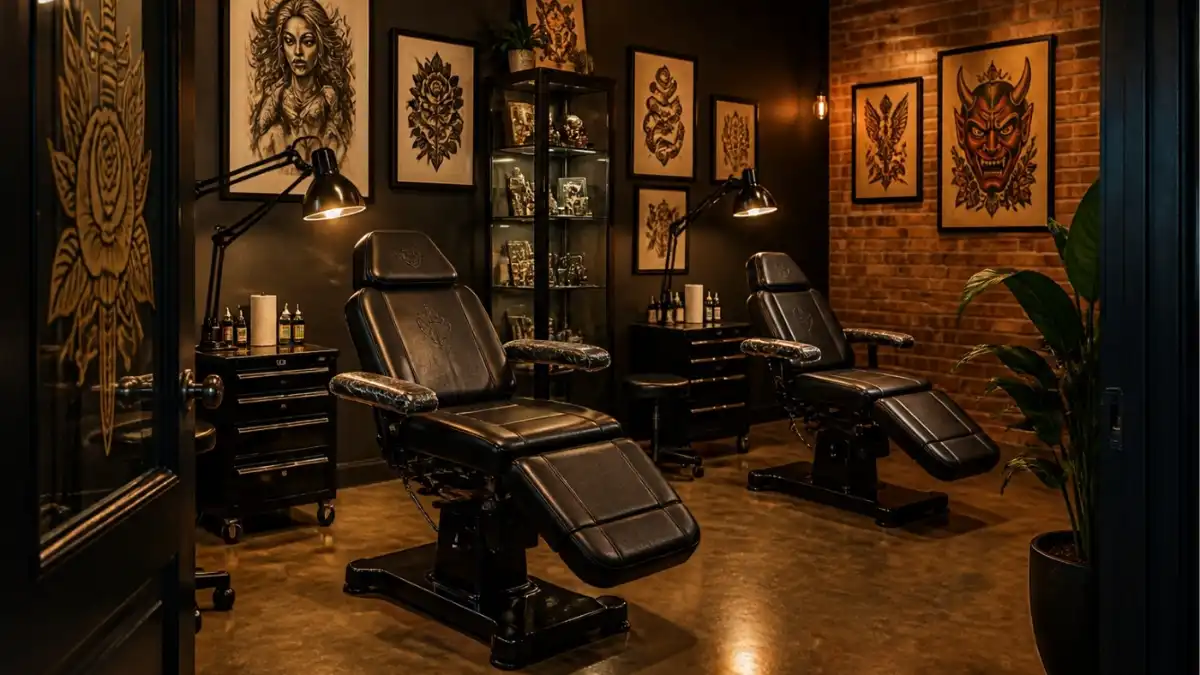
The Baner studio
| Details | |
|---|---|
| Address | Shop No. 110/11, 6th Floor, Ellora Pride, Baner Road, Baner, Pune 411045 |
| Hours | Monday to Thursday 10:00–22:00 · Friday to Sunday 08:00–23:30 |
| Phone | +91 96599 59593 |
| inked@machutattoos.com | |
| Also offered | Ear, nose, navel and body piercing |
| Consultation | Free — bring your references, no obligation to book |
If you are in Baner, Balewadi, Wakad, Hinjewadi, Aundh, Pashan or Bavdhan, we are the closest cluster for you — which matters more than people expect when a piece runs to three or four sittings. There is a longer area-by-area breakdown in our guide to the best tattoo artist in Baner, Pune, and if you want to read about the artists and the studio itself, start with famous tattoo artists in Pune or our page on tattoo studios in Pune.
What actually changes the price
We do not publish a rate on this page, because any number printed without seeing your design would be wrong in both directions — too high for a simple piece, too low for a detailed one, and useless either way. What we can tell you is exactly what the quote is built from, so you can judge any studio’s number for yourself.
- Size — the single biggest factor, measured on your body rather than on paper.
- Detail density — two tattoos of the same size can take very different amounts of time.
- Style — smooth shading, dotwork and colour each take longer per square inch than clean linework.
- Placement — ribs, spine, hands, feet and necks are slower to work on and harder to heal.
- Custom drawing — a design drawn for you takes time a ready design does not.
- Sittings — larger pieces are quoted across sessions, not as one lump.
- Cover-ups — quoted after the old tattoo has been assessed, never before.
Send a photo of your reference and the placement on WhatsApp and you will get a real number for your actual tattoo, not a range.
Frequently asked questions
Who is the top 10 best tattoo artist in Pune?
There is no single ranked top 10, because no artist in Pune is the best at every style. Artists specialise in two or three styles. The useful question is which artist is best for your style, and the answer comes from healed photos in that exact style rather than from any ranked list.
How do I choose a tattoo artist in Pune?
Decide your style first, then find the artist who has done it repeatedly. Ask for healed photos six months old or older, confirm which artist will actually do the work, check that needles are opened in front of you, and ask how many sittings the piece needs.
Which tattoo style lasts the longest?
Bold, simple designs with space between the lines last best, whatever the style. Clean linework and evenly packed black and grey hold up well for decades. Very small detailed pieces, thin script on high-movement areas and watercolour without anchoring soften the fastest.
What is the minimum size for a detailed tattoo?
It depends on the style. Fine line with internal detail needs roughly three inches, black and grey realism around six, and a single-face portrait six to eight. If an artist agrees to shrink a detailed design below these without raising any concern, that is a warning sign.
How many sittings will my tattoo take?
Fine line, minimal and script pieces are usually one sitting. Mid-size realism, dotwork and colour commonly run two to four, with healing time in between. A specialist can tell you the number before you ask.
Does Machu Tattoos do cover-up tattoos?
Yes. We assess the existing tattoo first, because not everything can be covered — dark solid black and heavy outlines limit what is possible. Sometimes the honest answer is a few laser sessions to lighten it first, then cover. We will tell you if that is the case.
Is the consultation free at Machu Tattoos?
Yes. Bring your reference images to the Baner Road studio, or send them on WhatsApp, and we will talk through the style, the size it needs and the number of sittings. There is no obligation to book.
How much does a tattoo cost in Pune?
There is no fixed rate. The quote is built from size, detail density, style, placement, whether the design is drawn custom, and the number of sittings. Send your reference and placement to get a real number for your actual tattoo rather than a range.
Where is Machu Tattoos in Pune?
Shop No. 110/11, 6th Floor, Ellora Pride, Baner Road, Baner, Pune 411045. Open Monday to Thursday 10:00 to 22:00 and Friday to Sunday 08:00 to 23:30. Phone +91 96599 59593.
Written by the team at Machu Tattoos, Baner Road, Pune
Founded by Suresh Machu. Our artists work daily in fine line, black and grey realism, deity and spiritual pieces, mandala, dotwork, script and cover-ups, and we also do ear, nose, navel and body piercing. Everything in this guide is how we brief our own clients before they book.
Last updated: 7 November 2026